
Built on the same silicon photonics platform used in hyperscale AI data centers, this technology benefits from a mature semiconductor manufacturing ecosystem, high-volume production, and a continuously improving cost curve. That gives us access to an industrial base already optimized for efficient, repeatable manufacturing rather than bespoke production.
04 / Technology
Photonics meets biosensing.
Differentiated by design: a photonic bio-molecular sensing technology engineered for sensitivity, simplicity and scale
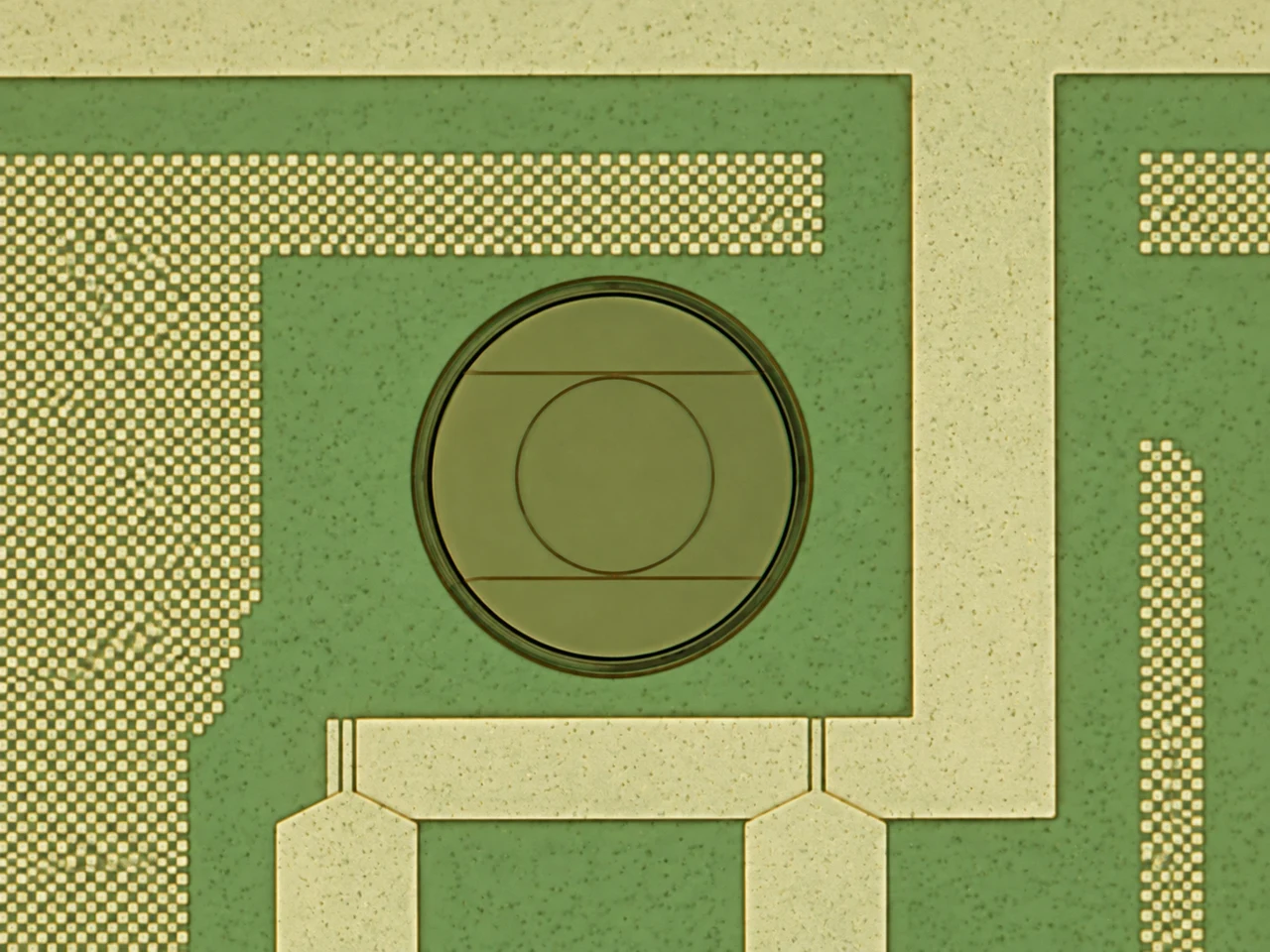
A single consumable cartridge can measure multiple biomarkers simultaneously from the same sample. This increases the amount of information generated per test and enables biomarkers to be interpreted together, revealing cross-correlated patterns that individual measurements may miss, supporting more accurate and actionable diagnostic insights.
FemtoRays’ patented closed-loop sensing technology actively compensates for changes in the optical response, linearizing the sensor output and maintaining operation where signal-to-noise is highest. This allows the system to preserve high sensitivity and measurement accuracy without relying on complex, high-cost readout hardware. The result is a simpler and more scalable instrument architecture, with lower readout cost and fewer performance trade-offs.
Surface bio-functionalization gives each miniaturized photonic sensor a specific biological target, enabling selective and high-affinity binding of the desired biomarker while minimizing interference from others. By changing the recognition chemistry rather than the underlying photonic architecture, the same sensing platform can be adapted to different biomarkers and assay panels—supporting a flexible and scalable diagnostic platform
Why it matters
Silicon photonics
Built on the same silicon photonics platform used in hyperscale AI data centers, this technology benefits from a mature semiconductor manufacturing ecosystem, high-volume production, and a continuously improving cost curve. That gives us access to an industrial base already optimized for efficient, repeatable manufacturing rather than bespoke production.
The sensing principle
A molecular interaction translated into an optical signal


01 / Chip
Chip
Bio-molecular sensing relies on laser light propagating through a nanometer-scale waveguide fabricated on a silicon microchip
02 / Functionalization
Functionalization
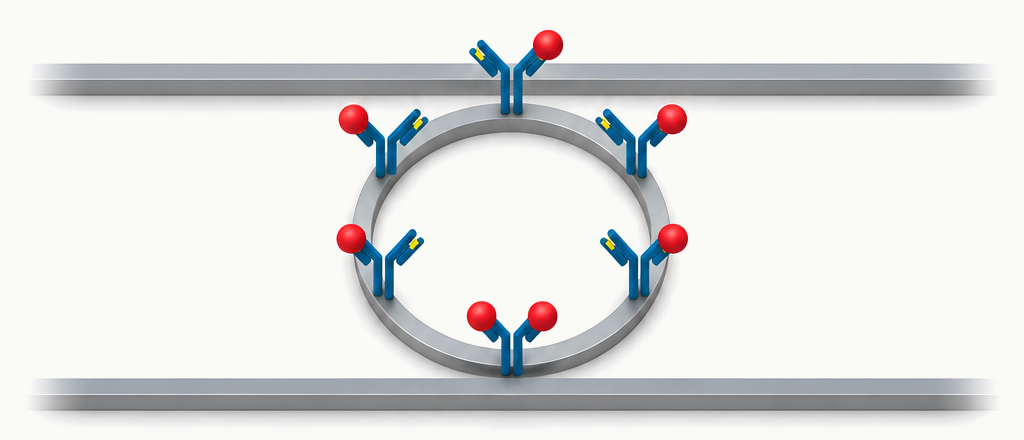
The surface is functionalized by using biorecognition elements
03 / Binding
Binding
The molecule of interest is recognized by the biorecognition element
04 / Shift
Shift
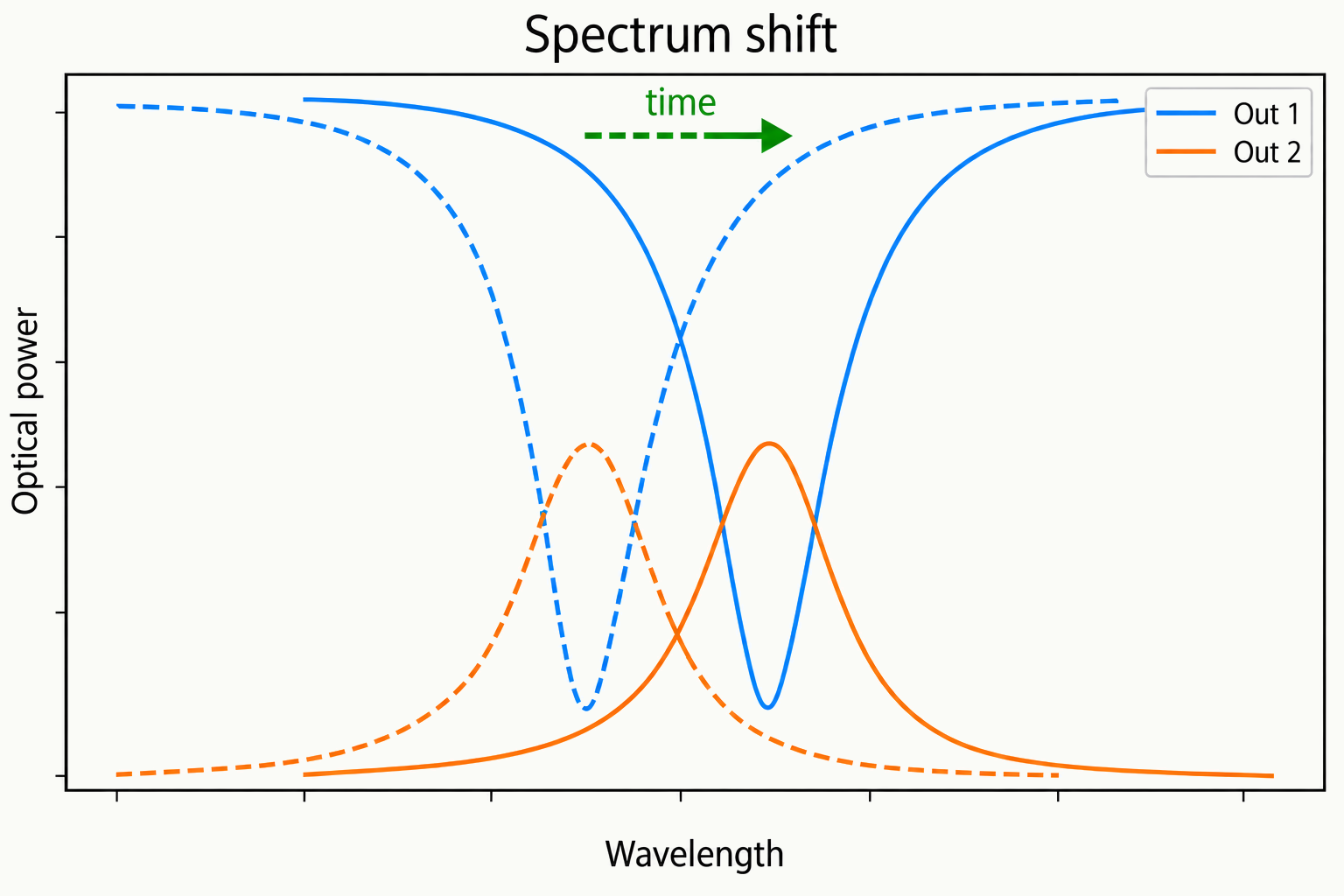
Binding induces a change in the optical path length
05 / Quantification / Measure
Quantification / Measure
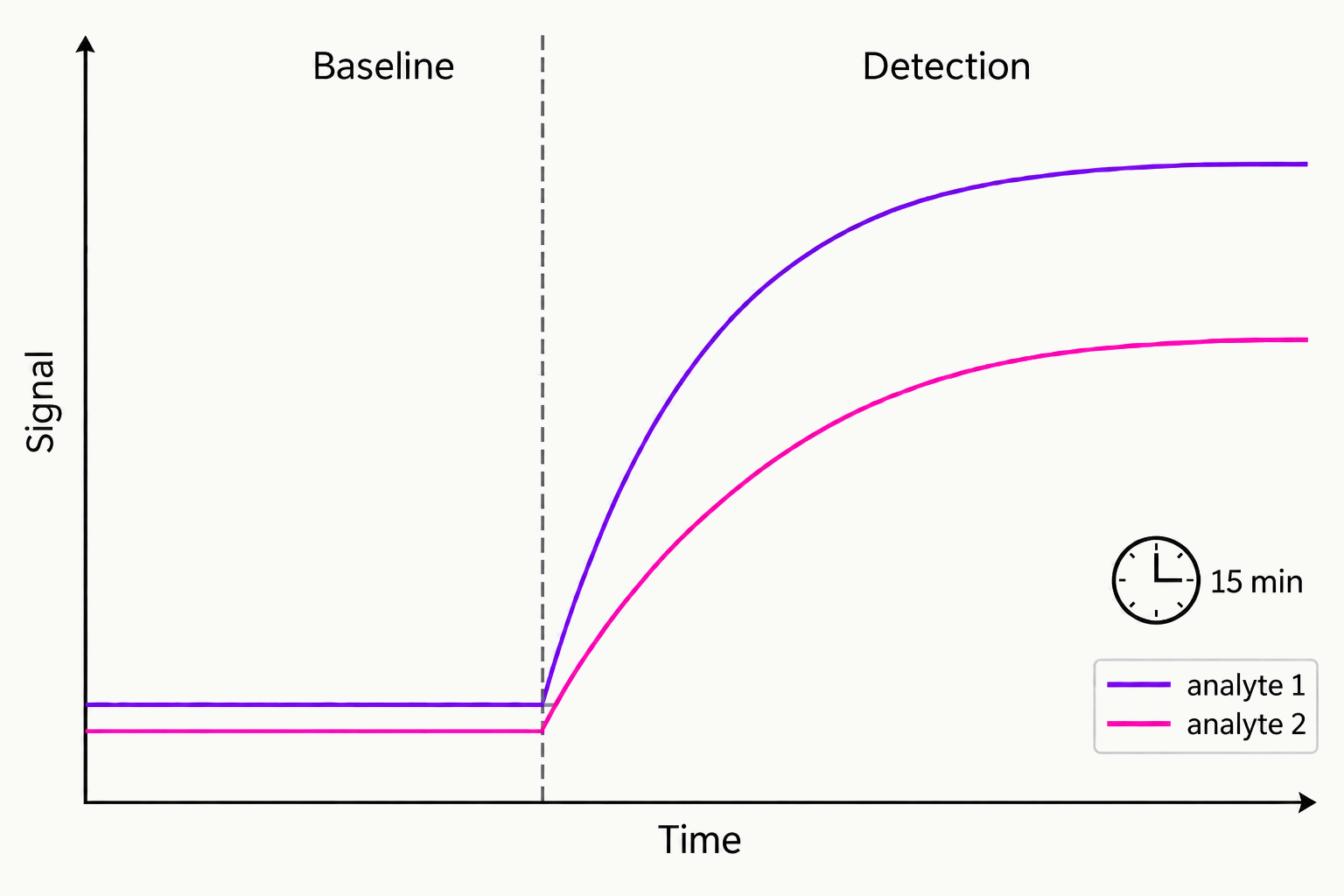
Closed-loop feedback measures the shift. Software interprets the measured signal
Select a stage to explore the sensing principle.
Let’s build what comes next
Let’s build the future
of molecular monitoring.
FTH Srl
Via Sommarive 18
38123 Povo (Trento)
Italy
Via Sommarive 18
38123 Povo (Trento)
Italy